

Your top news on small business
Provided by AGP
Consumer Survey | Services, Solution, Method, Demand
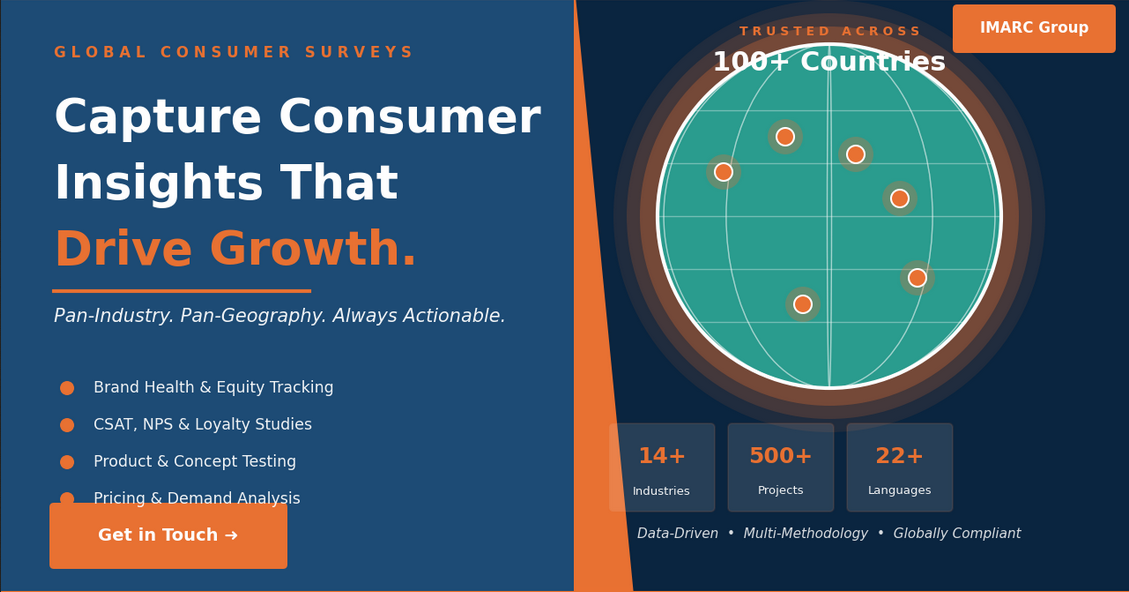
consumer surveys
Consumer surveys services, solutions, reduce the risk of new product launches, brand positioning, pricing decisions, and inform market entry strategies.
INDIA, May 14, 2026 /EINPresswire.com/ --𝐂𝐨𝐧𝐬𝐮𝐦𝐞𝐫 𝐒𝐮𝐫𝐯𝐞𝐲 𝐈𝐧𝐭𝐫𝐨𝐝𝐮𝐜𝐭𝐢𝐨𝐧:
A consumer survey is a structured research instrument that captures the opinions, preferences, behaviours, and motivations of a defined target audience at scale. It blends quantitative metrics with qualitative depth to generate evidence-based intelligence on satisfaction, brand perception, purchase intent, pricing sensitivity, and unmet needs. In India, surveys span digital, telephonic, and face-to-face formats to ensure representation across literacy levels and connectivity gradients.
𝐖𝐡𝐲 𝐂𝐨𝐧𝐬𝐮𝐦𝐞𝐫 𝐒𝐮𝐫𝐯𝐞𝐲𝐬 𝐀𝐫𝐞 𝐈𝐦𝐩𝐨𝐫𝐭𝐚𝐧𝐭
Consumer surveys play a crucial role in market research by converting customer feedback into a measurable strategic asset. They reduce the risk of new product launches, sharpen brand positioning, validate pricing decisions, and inform market entry strategies. In a market where 70 to 80 percent of new FMCG launches fail within two years, surveys provide the empirical foundation needed to differentiate winning concepts from costly assumptions. They also enable continuous feedback loops that help brands stay aligned with evolving consumer expectations.
𝐓𝐲𝐩𝐞𝐬 𝐨𝐟 𝐂𝐨𝐧𝐬𝐮𝐦𝐞𝐫 𝐒𝐮𝐫𝐯𝐞𝐲 𝐌𝐞𝐭𝐡𝐨𝐝𝐬
• 𝐎𝐧𝐥𝐢𝐧𝐞 𝐒𝐮𝐫𝐯𝐞𝐲𝐬 (𝐂𝐀𝐖𝐈 – 𝐂𝐨𝐦𝐩𝐮𝐭𝐞𝐫-𝐀𝐬𝐬𝐢𝐬𝐭𝐞𝐝 𝐖𝐞𝐛 𝐈𝐧𝐭𝐞𝐫𝐯𝐢𝐞𝐰𝐢𝐧𝐠): Web and email-based questionnaires distributed via panels or links; fastest turnaround and lowest cost, best suited for Tier-1 metros and digital-native audiences.
• 𝐌𝐨𝐛𝐢𝐥𝐞 𝐚𝐧𝐝 𝐀𝐩𝐩-𝐁𝐚𝐬𝐞𝐝 𝐒𝐮𝐫𝐯𝐞𝐲𝐬: Short, gamified surveys delivered through smartphone apps or WhatsApp; ideal for capturing on-the-go consumer behaviour across Tier-1 and Tier-2 markets.
• 𝐓𝐞𝐥𝐞𝐩𝐡𝐨𝐧𝐢𝐜 𝐒𝐮𝐫𝐯𝐞𝐲𝐬 (𝐂𝐀𝐓𝐈 – 𝐂𝐨𝐦𝐩𝐮𝐭𝐞𝐫-𝐀𝐬𝐬𝐢𝐬𝐭𝐞𝐝 𝐓𝐞𝐥𝐞𝐩𝐡𝐨𝐧𝐞 𝐈𝐧𝐭𝐞𝐫𝐯𝐢𝐞𝐰𝐢𝐧𝐠): Trained interviewers conduct structured calls in regional languages; effective in Tier-2 and select Tier-3 cities where mobile penetration is high, but data adoption is limited.
• 𝐅𝐚𝐜𝐞-𝐭𝐨-𝐅𝐚𝐜𝐞 𝐒𝐮𝐫𝐯𝐞𝐲𝐬 (𝐂𝐀𝐏𝐈 – 𝐂𝐨𝐦𝐩𝐮𝐭𝐞𝐫-𝐀𝐬𝐬𝐢𝐬𝐭𝐞𝐝 𝐏𝐞𝐫𝐬𝐨𝐧𝐚𝐥 𝐈𝐧𝐭𝐞𝐫𝐯𝐢𝐞𝐰𝐢𝐧𝐠): Enumerators use tablets for in-person interviews; essential for rural India where literacy levels, dialect diversity, and trust factors require human presence.
• 𝐏𝐚𝐩𝐞𝐫-𝐚𝐧𝐝-𝐏𝐞𝐧𝐜𝐢𝐥 𝐒𝐮𝐫𝐯𝐞𝐲𝐬 (𝐏𝐀𝐏𝐈): Traditional pen-and-paper format used in remote, low-connectivity rural villages or for specific senior demographics; slower but reliable in connectivity-challenged geographies.
• 𝐌𝐚𝐥𝐥 𝐚𝐧𝐝 𝐑𝐞𝐭𝐚𝐢𝐥 𝐈𝐧𝐭𝐞𝐫𝐜𝐞𝐩𝐭𝐬: On-site short surveys conducted at malls, modern trade outlets, and retail clusters; ideal for capturing in-the-moment purchase behaviour and brand recall.
• 𝐅𝐨𝐜𝐮𝐬 𝐆𝐫𝐨𝐮𝐩 𝐃𝐢𝐬𝐜𝐮𝐬𝐬𝐢𝐨𝐧𝐬 (𝐅𝐆𝐃𝐬): Moderated group conversations (6–10 participants) that uncover attitudes, motivations, and group dynamics; widely used in concept testing and brand perception studies.
• 𝐈𝐧-𝐃𝐞𝐩𝐭𝐡 𝐈𝐧𝐭𝐞𝐫𝐯𝐢𝐞𝐰𝐬 (𝐈𝐃𝐈𝐬): One-on-one conversations of 45–90 minutes that surface deep psychological drivers, particularly useful for B2B research and high-value consumer segments.
• 𝐌𝐲𝐬𝐭𝐞𝐫𝐲 𝐒𝐡𝐨𝐩𝐩𝐢𝐧𝐠: Trained shoppers evaluate service quality, in-store experience, and brand compliance; popular in retail, banking, hospitality, and automotive sectors.
• 𝐕𝐞𝐫𝐧𝐚𝐜𝐮𝐥𝐚𝐫 𝐕𝐨𝐢𝐜𝐞 𝐚𝐧𝐝 𝐂𝐡𝐚𝐭𝐛𝐨𝐭 𝐒𝐮𝐫𝐯𝐞𝐲𝐬 (𝟐𝟎𝟐𝟔 𝐅𝐨𝐫𝐦𝐚𝐭): AI-driven conversational surveys in regional Indian languages that unlock low-literacy rural respondents without requiring enumerators.
• 𝐇𝐲𝐛𝐫𝐢𝐝 𝐌𝐮𝐥𝐭𝐢-𝐌𝐨𝐝𝐞 𝐒𝐮𝐫𝐯𝐞𝐲𝐬: Combine CAWI for Tier-1, CATI for Tier-2, and CAPI for rural in a single study to ensure nationally representative coverage with cost optimization.
𝐖𝐡𝐚𝐭 𝐀𝐫𝐞 𝐂𝐨𝐧𝐬𝐮𝐦𝐞𝐫 𝐒𝐮𝐫𝐯𝐞𝐲𝐬 𝐔𝐬𝐞𝐝 𝐅𝐨𝐫?
Common applications include customer satisfaction (CSAT) tracking, Net Promoter Score (NPS) measurement, brand health monitoring, product concept testing, advertising effectiveness, pricing studies, market entry feasibility, and customer journey mapping. Surveys also support segmentation, demand forecasting, and post-purchase experience analysis across both B2C and B2B sectors.
𝐊𝐞𝐲 𝐒𝐞𝐫𝐯𝐢𝐜𝐞𝐬 𝐢𝐧 𝐂𝐨𝐧𝐬𝐮𝐦𝐞𝐫 𝐒𝐮𝐫𝐯𝐞𝐲𝐬
Modern consumer survey offerings cover the full insight lifecycle. Core services include market segmentation and audience profiling, brand health and equity tracking, CSAT and NPS measurement, customer journey mapping, product and concept testing, pricing and price-elasticity studies, usage and attitude (U&A) studies, and longitudinal trend tracking. Each service is mapped to a specific business outcome — whether reducing churn, accelerating product adoption, or expanding into new geographies.
𝐊𝐞𝐲 𝐓𝐞𝐜𝐡𝐧𝐢𝐪𝐮𝐞𝐬 𝐰𝐢𝐭𝐡𝐢𝐧 𝐂𝐨𝐧𝐬𝐮𝐦𝐞𝐫 𝐒𝐮𝐫𝐯𝐞𝐲𝐬
Three foundational techniques drive consumer survey research in India. The complete enumeration method covers an entire population and is reserved for small, well-defined audiences such as B2B clients or niche customer bases. The sample survey method, the most widely used approach, draws a statistically representative subset from the target universe to estimate behaviors and preferences at scale. The end-use method maps consumption across user categories and is particularly effective for industrial, agricultural, and B2B markets where buyer types vary significantly.
𝐈𝐧𝐝𝐢𝐚'𝐬 𝐌𝐚𝐫𝐤𝐞𝐭 𝐓𝐢𝐞𝐫𝐬 𝐄𝐱𝐩𝐥𝐚𝐢𝐧𝐞𝐝
Understanding India's tier structure is the foundation of any nationwide consumer survey. Tier-1 includes the eight major metros — Delhi NCR, Mumbai, Bengaluru, Chennai, Kolkata, Hyderabad, Pune, and Ahmedabad — characterized by high digital adoption, premium consumption, and NCCS A1/A2/B1 households. Tier-2 covers roughly 100 cities such as Jaipur, Lucknow, Coimbatore, Indore, and Surat, where aspirational middle-class consumers (NCCS B2/C1) blend digital and offline behaviors. Rural India spans more than 6.5 lakh villages, dominated by NCCS C2/D/E households, where consumption is occasion-driven, value-led, and influenced by community networks. Each tier requires its own approach to access, language, and methodology.
𝐓𝐢𝐞𝐫-𝐖𝐢𝐬𝐞 𝐄𝐱𝐞𝐜𝐮𝐭𝐢𝐨𝐧 𝐨𝐟 𝐂𝐨𝐧𝐬𝐮𝐦𝐞𝐫 𝐒𝐮𝐫𝐯𝐞𝐲𝐬 𝐢𝐧 𝐈𝐧𝐝𝐢𝐚
𝐓𝐢𝐞𝐫-𝟏 𝐜𝐢𝐭𝐢𝐞𝐬 favor digital-first research. Online panels (CAWI), app-based micro-surveys, mall intercepts, and WhatsApp-led studies deliver fast turnaround and high response quality. Surveys are typically shorter (under 10 minutes), digitally incentivized, and English or Hinglish.
𝐓𝐢𝐞𝐫-𝟐 𝐜𝐢𝐭𝐢𝐞𝐬 require a hybrid model. A combination of telephonic interviews (CATI) and face-to-face intercepts at retail outlets, residential clusters, and modern trade hubs delivers the strongest coverage. Vernacular versions are essential, and field timing must account for working-hour patterns.
𝐑𝐮𝐫𝐚𝐥 𝐈𝐧𝐝𝐢𝐚 depends on face-to-face interviewing (CAPI) using offline-capable tablets, supplemented by village hub intercepts at mandis, panchayat centers, and weekly haats. Local enumerators familiar with regional dialects, festival calendars, and community gatekeepers are essential for trust-building and completion rates.
𝐍𝐂𝐂𝐒 (𝐍𝐞𝐰 𝐂𝐨𝐧𝐬𝐮𝐦𝐞𝐫 𝐂𝐥𝐚𝐬𝐬𝐢𝐟𝐢𝐜𝐚𝐭𝐢𝐨𝐧 𝐒𝐲𝐬𝐭𝐞𝐦): The NCCS framework, which segments Indian households from A1 (top affluent) to E (lowest income) based on the chief wage earner's education and household assets, is the gold standard for sampling. It ensures that every consumer survey reflects the true socio-economic mix of the target geography.
A well-designed questionnaire balances clarity, depth, and respondent fatigue management. Best practices include keeping questions short and unambiguous, avoiding leading or double-barreled phrasing, and using a mix of closed-ended scales (Likert, semantic differential) and select open-ended probes. In India, translation into Hindi and at least 6 to 10 regional languages is standard, supported by professional back-translation to preserve meaning. Visual aids, showcards, and pictorial scales are critical for low-literacy respondents in rural and Tier-3 markets.
𝐓𝐡𝐞 𝐏𝐫𝐨𝐜𝐞𝐬𝐬 𝐨𝐟 𝐂𝐨𝐧𝐝𝐮𝐜𝐭𝐢𝐧𝐠 𝐂𝐨𝐧𝐬𝐮𝐦𝐞𝐫 𝐒𝐮𝐫𝐯𝐞𝐲𝐬
A robust survey lifecycle follows nine sequential steps:
1. Objective Definition – Set hypotheses, KPIs, and decision framework
2. Research Design – Select methodology (CAWI / CATI / CAPI) per tier
3. Sampling Frame – Define NCCS sample, size, and tier representation
4. Questionnaire Design – Draft, translate, and back-translate
5. Pilot Testing – Test on 30–50 respondents per tier; refine instrument
6. Field Execution – Roll out tier-wise with trained enumerators
7. Quality Control – 15–20% back-checks, GPS tagging, logic checks
8. Data Analysis – Clean, code, weight, cross-tabulate, segment
9. Insights & Reporting – Deliver actionable findings and dashboards
𝐓𝐡𝐞 𝐂𝐫𝐮𝐜𝐢𝐚𝐥 𝐑𝐨𝐥𝐞 𝐨𝐟 𝐂𝐨𝐧𝐬𝐮𝐦𝐞𝐫 𝐒𝐮𝐫𝐯𝐞𝐲𝐬 𝐢𝐧 𝐌𝐚𝐫𝐤𝐞𝐭 𝐑𝐞𝐬𝐞𝐚𝐫𝐜𝐡
• 𝐅𝐨𝐮𝐧𝐝𝐚𝐭𝐢𝐨𝐧 𝐨𝐟 𝐃𝐚𝐭𝐚-𝐃𝐫𝐢𝐯𝐞𝐧 𝐃𝐞𝐜𝐢𝐬𝐢𝐨𝐧𝐬: Consumer surveys provide the primary, first-party data that powers every downstream market research activity — segmentation, forecasting, positioning, and pricing.
• 𝐕𝐚𝐥𝐢𝐝𝐚𝐭𝐢𝐧𝐠 𝐇𝐲𝐩𝐨𝐭𝐡𝐞𝐬𝐞𝐬 𝐁𝐞𝐟𝐨𝐫𝐞 𝐈𝐧𝐯𝐞𝐬𝐭𝐦𝐞𝐧𝐭: Surveys de-risk major business decisions (new product launches, market entry, capacity expansion) by testing assumptions with real consumers before capital is deployed.
• 𝐌𝐞𝐚𝐬𝐮𝐫𝐢𝐧𝐠 𝐁𝐫𝐚𝐧𝐝 𝐚𝐧𝐝 𝐂𝐮𝐬𝐭𝐨𝐦𝐞𝐫 𝐇𝐞𝐚𝐥𝐭𝐡: Recurring brand-tracker and CSAT/NPS surveys quantify equity, loyalty, and satisfaction shifts that would otherwise remain invisible until they impact revenue.
• 𝐈𝐝𝐞𝐧𝐭𝐢𝐟𝐲𝐢𝐧𝐠 𝐔𝐧𝐦𝐞𝐭 𝐍𝐞𝐞𝐝𝐬 𝐚𝐧𝐝 𝐖𝐡𝐢𝐭𝐞 𝐒𝐩𝐚𝐜𝐞𝐬: Open-ended and behavioral questions reveal gaps in current product portfolios, helping innovators design offerings that address real, articulated consumer demand.
• 𝐒𝐡𝐚𝐫𝐩𝐞𝐧𝐢𝐧𝐠 𝐒𝐞𝐠𝐦𝐞𝐧𝐭𝐚𝐭𝐢𝐨𝐧 𝐚𝐧𝐝 𝐓𝐚𝐫𝐠𝐞𝐭𝐢𝐧𝐠: Surveys generate the demographic, psychographic, and behavioral data needed to build precise consumer segments and personalize marketing strategies.
• 𝐓𝐫𝐚𝐜𝐤𝐢𝐧𝐠 𝐌𝐚𝐫𝐤𝐞𝐭 𝐃𝐲𝐧𝐚𝐦𝐢𝐜𝐬 𝐎𝐯𝐞𝐫 𝐓𝐢𝐦𝐞: Longitudinal and trend studies monitor shifting preferences, emerging categories, and competitive movements, enabling proactive rather than reactive strategies.
• 𝐐𝐮𝐚𝐧𝐭𝐢𝐟𝐲𝐢𝐧𝐠 𝐑𝐎𝐈 𝐨𝐟 𝐌𝐚𝐫𝐤𝐞𝐭𝐢𝐧𝐠 𝐚𝐧𝐝 𝐈𝐧𝐧𝐨𝐯𝐚𝐭𝐢𝐨𝐧: Pre- and post-campaign surveys measure the actual impact of advertising, product launches, and pricing changes on consumer behavior.
• 𝐆𝐮𝐢𝐝𝐢𝐧𝐠 𝐏𝐫𝐢𝐜𝐢𝐧𝐠 𝐚𝐧𝐝 𝐃𝐞𝐦𝐚𝐧𝐝 𝐃𝐞𝐜𝐢𝐬𝐢𝐨𝐧𝐬: Price-sensitivity studies (Van Westendorp, Gabor-Granger, conjoint analysis) reveal optimal price points and demand elasticity for new and existing products.
• 𝐒𝐭𝐫𝐞𝐧𝐠𝐭𝐡𝐞𝐧𝐢𝐧𝐠 𝐂𝐮𝐬𝐭𝐨𝐦𝐞𝐫 𝐄𝐱𝐩𝐞𝐫𝐢𝐞𝐧𝐜𝐞 𝐒𝐭𝐫𝐚𝐭𝐞𝐠𝐲: Journey-mapping surveys identify friction points and moments of delight across every consumer touchpoint, directing CX investment to where it matters most.
• 𝐒𝐮𝐩𝐩𝐨𝐫𝐭𝐢𝐧𝐠 𝐑𝐞𝐠𝐮𝐥𝐚𝐭𝐨𝐫𝐲 𝐚𝐧𝐝 𝐒𝐭𝐚𝐤𝐞𝐡𝐨𝐥𝐝𝐞𝐫 𝐑𝐞𝐩𝐨𝐫𝐭𝐢𝐧𝐠: Survey data backs claims made to investors, regulators, and partners with statistically defensible, third-party-credible evidence.
• 𝐏𝐨𝐰𝐞𝐫𝐢𝐧𝐠 𝐆𝐥𝐨𝐛𝐚𝐥 𝐚𝐧𝐝 𝐋𝐨𝐜𝐚𝐥 𝐒𝐭𝐫𝐚𝐭𝐞𝐠𝐲 𝐀𝐥𝐢𝐠𝐧𝐦𝐞𝐧𝐭: Multi-country surveys help multinational brands balance global consistency with local relevance — particularly important in diverse markets like India.
• 𝐂𝐨𝐧𝐯𝐞𝐫𝐭𝐢𝐧𝐠 𝐕𝐨𝐢𝐜𝐞 𝐨𝐟 𝐂𝐨𝐧𝐬𝐮𝐦𝐞𝐫 𝐢𝐧𝐭𝐨 𝐂𝐨𝐦𝐩𝐞𝐭𝐢𝐭𝐢𝐯𝐞 𝐀𝐝𝐯𝐚𝐧𝐭𝐚𝐠𝐞: Ultimately, surveys close the gap between what brands assume and what consumers actually believe, want, and do — turning customer truth into measurable business growth.
𝐀𝐩𝐩𝐫𝐨𝐚𝐜𝐡 𝐟𝐨𝐫 𝐂𝐨𝐧𝐬𝐮𝐦𝐞𝐫 𝐒𝐮𝐫𝐯𝐞𝐲 𝐒𝐞𝐫𝐯𝐢𝐜𝐞 & 𝐒𝐨𝐥𝐮𝐭𝐢𝐨𝐧: https://www.imarcgroup.com/services/consumer-surveys
𝐐𝐮𝐚𝐥𝐢𝐭𝐲 𝐂𝐨𝐧𝐭𝐫𝐨𝐥 𝐚𝐧𝐝 𝐃𝐚𝐭𝐚 𝐕𝐚𝐥𝐢𝐝𝐚𝐭𝐢𝐨𝐧
Quality assurance is what separates credible research from noise. IMARC's quality framework includes 15 to 20 percent back-checks on completed interviews, GPS and time-stamp verification, accompaniment audits during fieldwork, logical consistency checks within the dataset, and removal of straight-lining and speeding respondents. All processes adhere to ESOMAR International Code and MRSI (Market Research Society of India) standards.
𝐒𝐞𝐜𝐭𝐨𝐫-𝐒𝐩𝐞𝐜𝐢𝐟𝐢𝐜 𝐒𝐮𝐫𝐯𝐞𝐲 𝐅𝐫𝐚𝐦𝐞𝐰𝐨𝐫𝐤𝐬
• FMCG surveys focus on penetration, frequency, brand switching, and pack-size preferences.
• Retail studies measure store experience, basket size, and loyalty-program performance
• Healthcare research maps the treatment journey, doctor influence, and OTC behaviour.
• Food and Beverages capture taste preferences, occasion-based consumption, and dietary trends.
• Technology and Media surveys examine device usage, screen time, content consumption, and subscription churn.
• Sector frameworks ensure that every question and KPI aligns with how decisions are made in that industry.
𝐊𝐞𝐲 𝐅𝐞𝐚𝐭𝐮𝐫𝐞𝐬 𝐨𝐟 𝐚𝐧 𝐄𝐟𝐟𝐞𝐜𝐭𝐢𝐯𝐞 𝐂𝐨𝐧𝐬𝐮𝐦𝐞𝐫 𝐒𝐮𝐫𝐯𝐞𝐲
High-impact surveys share a common DNA: statistically reliable data, expert design and field support, clear and unambiguous questions, multilingual scale with local relevance, robust digital audience validation, fraud prevention through device fingerprinting and GPS, data enrichment through external datasets, and dedicated project management. The result is a survey that delivers both speed and confidence in the findings.
𝐒𝐚𝐦𝐩𝐥𝐞 𝐐𝐮𝐞𝐬𝐭𝐢𝐨𝐧 𝐁𝐚𝐧𝐤𝐬
The most useful surveys combine question types across four categories.
𝐏𝐞𝐫𝐟𝐨𝐫𝐦𝐚𝐧𝐜𝐞 𝐚𝐧𝐝 𝐒𝐚𝐭𝐢𝐬𝐟𝐚𝐜𝐭𝐢𝐨𝐧: How satisfied are you with our product/service? How likely are you to recommend our brand to others? Did our product meet your expectations? How would you rate the value for money?
𝐏𝐬𝐲𝐜𝐡𝐨𝐠𝐫𝐚𝐩𝐡𝐢𝐜: What are your key interests and hobbies? Which values guide your purchase decisions? How would you describe your lifestyle?
𝐃𝐞𝐦𝐨𝐠𝐫𝐚𝐩𝐡𝐢𝐜: What is your age, gender, household income, occupation, education, and city of residence?
𝐂𝐨𝐧𝐬𝐮𝐦𝐞𝐫 𝐂𝐨𝐧𝐯𝐞𝐧𝐢𝐞𝐧𝐜𝐞: What product features matter most to you? What problems do you expect this product to solve?
𝐏𝐮𝐫𝐜𝐡𝐚𝐬𝐢𝐧𝐠 𝐏𝐚𝐭𝐭𝐞𝐫𝐧: Who makes the purchase decision in your household? Do you buy primarily online or in-store? How often do you purchase this category? What is your budget range?
𝐁𝐞𝐧𝐞𝐟𝐢𝐭𝐬 𝐨𝐟 𝐂𝐨𝐧𝐬𝐮𝐦𝐞𝐫 𝐒𝐮𝐫𝐯𝐞𝐲 𝐒𝐞𝐫𝐯𝐢𝐜𝐞𝐬
Well-executed surveys deliver measurable business value: 12 to 18 percent higher campaign engagement, 15 to 20 percent better campaign ROI, 20 to 25 percent higher product development success, 10 to 15 point NPS increases, and 8 to 15 percent revenue uplift from new product launches. They also de-risk market entry, improve segmentation precision, and accelerate go-to-market timelines.
𝐑𝐞𝐠𝐮𝐥𝐚𝐭𝐨𝐫𝐲 𝐚𝐧𝐝 𝐄𝐭𝐡𝐢𝐜𝐚𝐥 𝐂𝐨𝐧𝐬𝐢𝐝𝐞𝐫𝐚𝐭𝐢𝐨𝐧𝐬
The Digital Personal Data Protection Act (DPDPA) 2023 is now central to all consumer research in India. Compliance requires explicit informed consent, purpose limitation, data minimization, and secure storage. Researchers must also follow ESOMAR and MRSI codes that govern respondent welfare, particularly for vulnerable groups such as children, rural women, and low-income households. Transparent communication around data use and the right to withdraw participation is non-negotiable.
𝐑𝐞𝐜𝐞𝐧𝐭 𝐓𝐫𝐞𝐧𝐝𝐬 𝐢𝐧 𝐂𝐨𝐧𝐬𝐮𝐦𝐞𝐫 𝐑𝐞𝐬𝐞𝐚𝐫𝐜𝐡 (𝟐𝟎𝟐𝟒–𝟐𝟎𝟐𝟔)
Consumer research in India is being reshaped by several forces. AI-powered survey design and automated coding are cutting analysis timelines by 40 to 60 percent. Vernacular voice-AI surveys are unlocking low-literacy rural respondents. Synthetic respondents and digital twin modeling are augmenting (not replacing) traditional samples. WhatsApp and conversational chatbot surveys are becoming the default mobile-first format. Real-time sentiment via social listening is now integrated into longitudinal trackers. And the rise of “Bharat” — Tier-3, Tier-4, and rural India — has shifted research budgets significantly downstream from the metros.
𝐂𝐨𝐧𝐬𝐮𝐦𝐞𝐫 𝐒𝐮𝐫𝐯𝐞𝐲 𝐂𝐚𝐬𝐞 𝐒𝐭𝐮𝐝𝐲
A leading FMCG personal-care brand engaged IMARC to assess expansion potential from Tier-1 metros into Tier-2 cities and rural Uttar Pradesh and Bihar. The study covered 2,800 respondents across three tiers using a hybrid CAWI–CATI–CAPI design, with field execution in Hindi, Bhojpuri, and English. Findings revealed that rural respondents prioritized sachet pack sizes and trust-based brand cues, while Tier-2 consumers responded to value-pack promotions and family-oriented messaging. The brand revised its packaging architecture, launched two new rural-first SKUs, and recorded a 17 percent volume uplift in the targeted geographies within nine months — validating the power of tier-wise consumer research.
𝐊𝐞𝐲 𝐓𝐚𝐤𝐞𝐚𝐰𝐚𝐲𝐬 𝐨𝐟 𝐂𝐨𝐧𝐬𝐮𝐦𝐞𝐫 𝐒𝐮𝐫𝐯𝐞𝐲
• Consumer surveys convert subjective customer opinions into measurable, decision-grade data that reduces guesswork in product, brand, and market strategy.
• A well-designed survey balances reach (sample size and tier coverage) with depth (question quality and analytical rigor), and neither can be compromised without weakening the insight.
• In India, no single methodology fits all geographies — Tier-1 rewards digital speed, Tier-2 needs hybrid execution, and rural markets demand face-to-face presence with multilingual capability.
• NCCS-aligned sampling, statistical sample-size calibration, and 15–20% back-checks are the three pillars of survey credibility.
• The Digital Personal Data Protection Act (DPDPA) 2023 has made informed consent, data minimization, and secure storage non-negotiable for every research engagement.
• AI-powered design, vernacular voice surveys, and synthetic respondents are reshaping the cost-speed-quality equation in 2026.
• Surveys deliver measurable ROI — typically 15–25% improvement in campaign and product-launch success when insights are translated into action.
• The brands that win Bharat (Tier-3, Tier-4 and rural) in 2026 will be the ones that listen most precisely across India's tier hierarchy.
𝐂𝐨𝐧𝐭𝐚𝐜𝐭 𝐔𝐒: https://www.imarcgroup.com/contact-us
𝐇𝐨𝐰 𝐭𝐨 𝐂𝐡𝐨𝐨𝐬𝐞 𝐚 𝐂𝐨𝐧𝐬𝐮𝐦𝐞𝐫 𝐒𝐮𝐫𝐯𝐞𝐲 𝐏𝐚𝐫𝐭𝐧𝐞𝐫
Selecting the right research partner is a strategic decision. Key evaluation criteria include proven tier-wise field coverage, multilingual enumerator networks, certified quality protocols (ESOMAR, MRSI), advanced technology stack (CAPI tools, AI analytics, real-time dashboards), industry-specific expertise, transparent pricing, and the ability to translate raw data into business strategy. Vendor case studies and client references should validate both methodological rigor and impact delivery.
𝐖𝐡𝐲 𝐂𝐡𝐨𝐨𝐬𝐞 𝐈𝐌𝐀𝐑𝐂 𝐟𝐨𝐫 𝐘𝐨𝐮𝐫 𝐂𝐨𝐧𝐬𝐮𝐦𝐞𝐫 𝐒𝐮𝐫𝐯𝐞𝐲𝐬?
IMARC Group brings a pan-India footprint across all three tiers, supported by multilingual field teams, sector specialists, and a data-led research framework. Our consumer survey engagements combine proven consulting expertise, dedicated research specialists, structured methodologies, and a global-meets-local lens. We deliver phased insights for early decision-making while building a long-term collaborative partnership that helps organizations capture authentic consumer truths and convert them into measurable business outcomes.
𝗖𝗼𝗻𝘁𝗮𝗰𝘁 𝗨𝘀
𝗜𝗠𝗔𝗥𝗖 𝗚𝗿𝗼𝘂𝗽
134 N 4th St., Brooklyn, NY 11249, USA
𝗘𝗺𝗮𝗶𝗹: sales@imarcgroup.com
𝗧𝗲𝗹. 𝗡𝗼.: (D) +91 120 433 0800
𝗨𝗻𝗶𝘁𝗲𝗱 𝗦𝘁𝗮𝘁𝗲𝘀: +1-201-971-6302
What is the cost of a consumer survey?
How long does a consumer survey take?
What is the best methodology for rural India?
How many respondents are needed for a statistically valid survey?
What is the difference between online and offline surveys in India?
Elena Anderson
IMARC Services Private Limited
+1 201-971-6302
email us here
Legal Disclaimer:
EIN Presswire provides this news content "as is" without warranty of any kind. We do not accept any responsibility or liability for the accuracy, content, images, videos, licenses, completeness, legality, or reliability of the information contained in this article. If you have any complaints or copyright issues related to this article, kindly contact the author above.
