

Roof Drain Placement Plays Important Role in Commercial Building Drainage and Structural Performance
Roof drains need to be positioned according to how water moves across the entire roof surface”
SLIDELL, LA, UNITED STATES, October 9, 2026 /EINPresswire.com/ -- — Jules Albert III
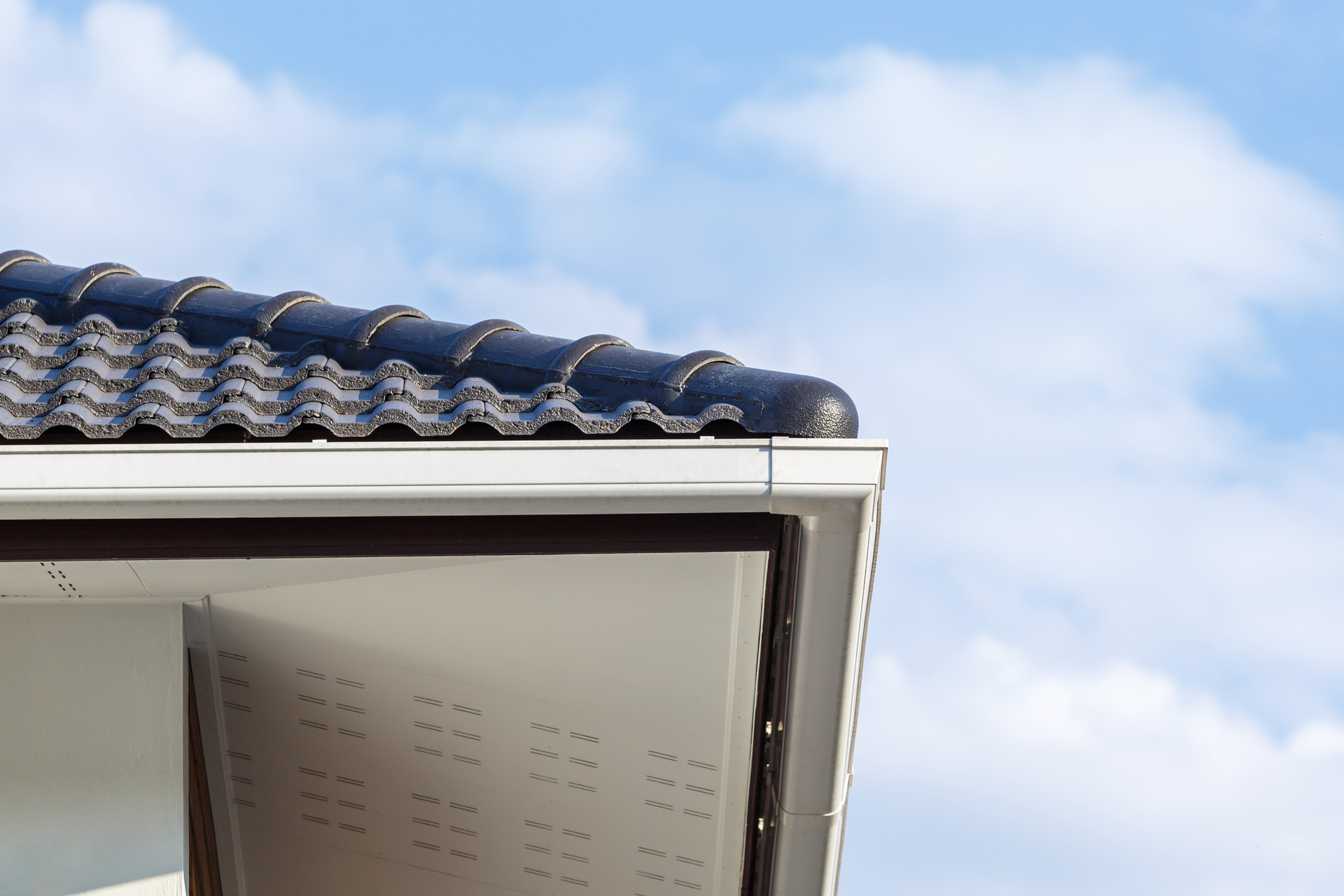
Roof drainage systems play an important role in protecting large commercial buildings from water accumulation, structural stress, and moisture-related deterioration. While roofing materials and waterproofing systems receive considerable attention during construction and maintenance, the placement of roof drains can significantly influence how effectively rainwater moves across a building's roof surface.
Jaymar Construction LLC, a construction company based in Slidell, Louisiana, is examining the relationship between roof drain placement, roof slope, structural design, and water management on large commercial properties.
Commercial buildings frequently feature low-slope roofing systems covering substantial surface areas. Unlike steeply pitched residential roofs, these structures rely on carefully designed drainage pathways to direct precipitation toward internal drains, scuppers, gutters, or other designated discharge points.
According to Jules Albert III, owner of Jaymar Construction LLC, drain placement must be evaluated as part of the overall roof design rather than treated as an isolated plumbing consideration.
“Roof drains need to be positioned according to how water moves across the entire roof surface,” Albert said. “The location of a drain affects roof slope, water accumulation, and the amount of water that can collect in certain areas. Proper drainage planning involves understanding the roof structure and how the different components work together.”
Understanding Drainage on Low-Slope Commercial Roofs
Large commercial buildings commonly use low-slope roofing systems because of their structural configurations and the need to accommodate mechanical equipment, ventilation systems, and other rooftop components.
Although these roofs may appear flat, properly designed systems generally incorporate slopes that encourage water movement toward designated drainage points.
These slopes can be created through structural framing, tapered insulation, or other construction methods.
Roof drain placement influences how these slopes are established and how far water must travel before reaching a drainage outlet.
Poorly positioned drains can contribute to areas where water accumulates rather than flowing toward the intended collection points.
Ponding Water and Structural Loading
One concern associated with inadequate roof drainage is ponding water.
Ponding occurs when rainwater remains on a roof surface because drainage is insufficient or localized depressions prevent water from reaching an outlet.
Standing water adds weight to the roof structure.
Water approximately one inch deep weighs about 5.2 pounds per square foot. Across a large surface area, that additional load can become substantial.
Structural deflection may also create a cycle in which accumulated water causes further sagging, allowing additional water to collect.
This condition, sometimes associated with progressive ponding instability, requires careful consideration during structural design and evaluation.
“Water accumulation is not simply a surface maintenance issue,” Albert said. “On a large commercial roof, standing water can create additional structural loads. Drainage locations, roof elevations, and the supporting structure all need to be considered when evaluating those conditions.”
Drain Placement and Roof Geometry
The location of roof drains influences the geometry of the roof's drainage system.
A drain positioned near a low point may collect water efficiently when surrounding surfaces are properly sloped.
However, locating drains without considering structural elevations, roof penetrations, and existing equipment can create drainage complications.
Large commercial roofs may require multiple drainage areas, each directing water toward designated outlets.
The spacing and arrangement of these outlets depend on roof dimensions, rainfall design criteria, drainage capacity, and applicable building requirements.
Drain locations must also coordinate with the building's internal plumbing and stormwater discharge systems.
Rainfall Considerations in Southeastern Louisiana
Commercial roof drainage is particularly important in southeastern Louisiana, where heavy rainfall and tropical weather systems can produce substantial precipitation over relatively short periods.
Buildings in Slidell and surrounding communities may experience intense thunderstorms, prolonged rainfall, and seasonal tropical weather conditions.
Roof drainage systems must be designed according to applicable rainfall criteria and building codes.
The required drainage capacity depends on factors including roof area, design rainfall intensity, and the configuration of drainage outlets and piping.
Because rainfall conditions vary by location, drainage calculations should reflect the applicable requirements for the property.
Primary and Secondary Drainage Systems
Many commercial buildings incorporate primary and secondary drainage provisions.
Primary drainage systems handle rainfall under normal design conditions.
Secondary drainage systems provide an additional means of removing water when primary drainage becomes blocked or overwhelmed, where required by applicable codes.
Secondary drainage may involve overflow drains, scuppers, or other approved configurations.
The elevation and placement of overflow components are important because they influence the maximum depth of water that can accumulate before discharge begins.
Secondary drainage provisions must be designed to function independently where required.
Their purpose is to reduce the potential for excessive water accumulation rather than replace routine maintenance of primary drains.
Rooftop Equipment and Drainage Obstructions
Commercial roofs frequently contain heating and cooling equipment, ventilation components, piping, supports, and other installations.
These elements can affect drainage pathways.
Equipment curbs, support structures, and roof penetrations may interrupt the movement of water toward designated drains.
Improperly positioned components can create isolated low areas where water remains after rainfall.
Roof design and subsequent equipment installations should account for existing drainage patterns.
Changes to rooftop equipment may require evaluating whether water movement has been altered.
Maintenance Access and Drain Protection
Drain placement also influences maintenance requirements.
Roof drains can become obstructed by leaves, sediment, roofing debris, and other materials.
Drain strainers and related components help reduce the entry of debris into drainage piping, but periodic inspection remains necessary.
Drains located beneath equipment or within difficult-to-access areas may complicate maintenance.
Commercial property managers should establish inspection procedures that account for seasonal debris accumulation and weather conditions.
Following major storms, inspections may identify obstructions, displaced components, or areas where water remains on the roof surface.
Evaluating Drainage During Roof Replacement
Commercial roof replacement projects provide an opportunity to evaluate existing drainage performance.
Evidence of recurring ponding, deteriorated roof materials, or repeated moisture problems may indicate that drainage conditions require further investigation.
However, relocating drains or changing roof slopes can involve structural, plumbing, and roofing design considerations.
Tapered insulation systems may be used to modify drainage patterns in certain applications, subject to project requirements and existing conditions.
Albert emphasized that drainage evaluation should occur before major roofing modifications begin.
“Replacing roofing materials does not automatically correct an underlying drainage problem,” Albert said. “Existing slopes, drain locations, and areas of recurring water accumulation should be examined so the proposed work addresses the actual conditions of the roof.”
Long-Term Considerations for Commercial Properties
Effective commercial roof drainage depends on the relationship between roof geometry, drain capacity, structural performance, and maintenance practices.
Drain placement influences how precipitation travels across the roof and where water may accumulate during significant rainfall.
Understanding these relationships can help building owners, facility managers, and construction professionals identify drainage concerns and evaluate appropriate corrective measures.
For commercial buildings throughout southeastern Louisiana, roof drainage planning remains an important component of managing rainfall exposure and maintaining structural and roofing system performance.
About Jaymar Construction LLC
Jaymar Construction LLC is a construction company based in Slidell, Louisiana. The company is involved in commercial and residential construction projects, including roofing, renovations, and building improvements throughout southeastern Louisiana.
Morgan Thomas
Rhino Digital, LLC
+1 504-875-5036
email us here
Visit us on social media:
Facebook
Legal Disclaimer:
EIN Presswire provides this news content "as is" without warranty of any kind. We do not accept any responsibility or liability for the accuracy, content, images, videos, licenses, completeness, legality, or reliability of the information contained in this article. If you have any complaints or copyright issues related to this article, kindly contact the author above.
