

Orange County Sees Rising Demand for Licensed Armed Security Officers
News originally published by
EIN Presswire
armed guard in Orange County
armed security.

guard services.

security guard company

The Role of Licensed Armed Security Officers
Orange County businesses assess licensed armed security for site-specific protection of commercial, industrial, and residential properties and valuable assets.
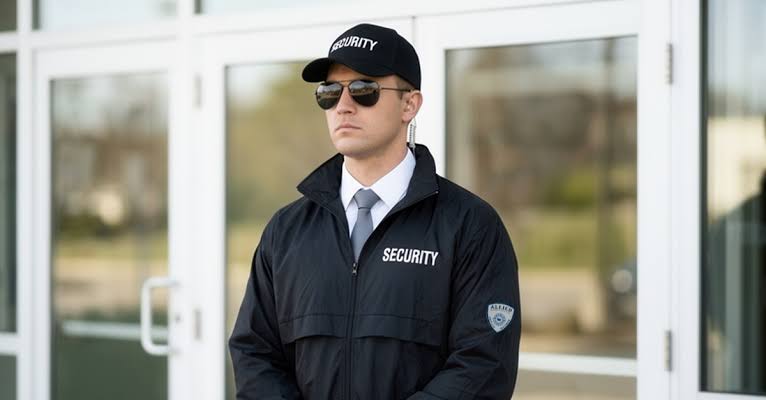
ORANGE COUNTY, CA, UNITED STATES, November 23, 2026 /EINPresswire.com/ -- Demand for an armed guard in Orange County, CA, is drawing attention to the role of licensed security personnel in commercial, industrial, and residential property protection. Businesses and property managers continue to assess their security arrangements based on site conditions, operating hours, access requirements, asset exposure, and the responsibilities assigned to security personnel. Within this context, armed security remains one of several options that organizations may consider when developing a site-specific protection plan.Allied Nationwide Security, a Southern California security guard company serving multiple counties, provides armed and unarmed security officers for commercial, industrial, and residential clients. Its service offerings also include standing security, fire watch, and mobile patrol. These services address different operational requirements, allowing organizations to consider the appropriate type of coverage for their properties and activities.
The demand for armed security personnel should be understood within the broader context of risk assessment and responsible security planning. An armed officer may be appropriate for certain assignments, but the decision depends on the nature of the site, applicable laws, the duties involved, and the availability of suitable personnel. Armed coverage is not automatically necessary for every property, and unarmed security or mobile patrol may be more appropriate in other settings.
Understanding the Factors Behind Armed Security Requirements
Security needs vary considerably across Orange County because the county includes residential communities, commercial districts, industrial facilities, retail properties, office buildings, and other sites with different operating conditions. Each environment presents its own access control, monitoring, emergency response, and property protection considerations.
For example, an industrial property may require attention to equipment storage, delivery schedules, restricted areas, and after-hours access. A commercial property may focus on visitor management, employee safety, parking areas, and the movement of customers or contractors. Residential properties may need controlled entry, observation of shared spaces, and procedures for responding to incidents without unnecessarily disrupting residents.
These differences can influence whether an organization considers armed security, unarmed officers, standing guards, or mobile patrol. The appropriate arrangement should follow an assessment of the actual risks rather than assumptions about a particular neighborhood, industry, or property type.
Several factors commonly inform the assessment process:
● Property characteristics: The size, layout, access points, operating hours, and use of a site can affect its security requirements.
● Asset protection: The presence of valuable equipment, inventory, sensitive materials, or other assets may influence the type of monitoring required.
● Access management: Sites with frequent visitors, contractors, deliveries, or restricted areas may need clearly defined entry procedures.
● Incident response planning: Security arrangements should establish how officers report concerns, communicate with designated contacts, and request emergency assistance when appropriate.
● Legal and operational requirements: Licensing, assignment-specific duties, employer policies, and applicable state laws must be considered before assigning armed personnel.
These factors do not establish that armed officers are necessary in every case. Instead, they provide a framework for determining the level and type of security coverage that best matches the site's circumstances.
The Role of Licensed Armed Security Officers
Licensed armed security officers may be assigned to locations where an assessment identifies a need for an authorized armed presence. Their responsibilities depend on the assignment, the governing legal requirements, and the procedures established for the property. Duties may include observing designated areas, monitoring access, documenting incidents, communicating security concerns, and following approved response procedures.
An armed assignment carries responsibilities beyond those associated with general site monitoring. Officers must understand the limits of their authority, the conditions under which their duties may be performed, and the procedures for reporting and responding to incidents. Their role is not a substitute for law enforcement, nor does the presence of a firearm independently guarantee that an incident can be prevented.
California regulates security personnel and firearm-related qualifications through applicable state laws and licensing requirements. The specific authorizations necessary for an armed assignment depend on the officer's status, the nature of the work, and the relevant regulations. Employers and security providers must verify that assigned personnel meet the requirements applicable to their duties.
Organizations evaluating an armed guard in Orange County, CA, can therefore consider several practical questions before finalizing a security arrangement. These include whether the assignment genuinely requires an armed officer, whether the proposed officer has the necessary credentials, how the officer's responsibilities will be documented, and what procedures will govern communication and incident reporting.
Licensing, Background Screening, and Professional Training
Personnel qualifications are central to the responsible delivery of security services. For armed assignments, the relevant credentials, training, and authorization must correspond to the duties performed. Verification should take place before an officer begins an assignment and whenever applicable requirements call for renewed or updated checks.
Allied Nationwide Security reports that its personnel undergo background checks and a training program intended to prepare them for security assignments. The company also describes its workforce as serving different client environments, including commercial, industrial, and residential properties. The specific qualifications required for each assignment remain subject to the applicable licensing rules and the responsibilities associated with the position.
Background screening can help an employer assess an applicant's suitability for a security role. However, screening should be treated as one component of a broader qualification process rather than a guarantee of future conduct. Employers must also consider current licensing status, assignment-specific training, professional conduct, and compliance with applicable regulations.
Professional preparation may address areas such as:
● Site-specific procedures and access control responsibilities.
● Incident documentation and communication protocols.
● De-escalation and appropriate professional conduct.
● Emergency notification and coordination with public authorities.
● The legal limits of an officer's authority.
● Assignment-specific requirements for armed personnel, where applicable.
The precise content and scope of training should reflect the duties officers are authorized to perform. Security companies must not treat general training as a substitute for any separate certification, permit, or qualification required by law.
For property managers, verifying these details provides a practical way to evaluate whether a proposed security arrangement is suitable for the site. It also establishes a clearer basis for reviewing service delivery, documenting concerns, and determining whether additional training or procedural changes are necessary.
How Armed Security Fits Within a Broader Range of Guard Services
Armed security is one component of a wider range of guard services available to organizations with different property protection needs. The selection of a service should follow an assessment of the site's operating conditions, rather than a general preference for one category of security personnel.
Allied Nationwide Security provides several types of security coverage across Southern California. Its stated service categories include armed security, unarmed security, standing security, fire watch, and mobile patrol. Each category serves a different purpose and may be appropriate under different circumstances.
Unarmed security officers may support visitor management, entry monitoring, observation, and routine reporting. Standing security generally involves an officer assigned to a designated location or post. Mobile patrol involves movement between designated areas or properties according to an established schedule or operational plan. Fire watch addresses specific fire-related monitoring needs when required by applicable conditions, instructions, or regulations.
Armed security may be considered when the documented risk assessment and operational requirements support an armed assignment. The presence of a firearm should not be treated as a default measure for every property, and armed coverage should not be selected solely because other organizations use it.
Commercial and Industrial Properties: Different Operational Considerations
Commercial and industrial properties often operate under different schedules and access conditions. Office buildings may experience concentrated visitor activity during business hours, while warehouses, distribution facilities, and industrial sites may receive deliveries outside conventional working hours. These differences can affect the location, timing, and nature of security coverage.
For commercial properties, security planning may involve entry procedures, visitor records, contractor access, parking areas, and communication with building management. Officers may be assigned to observe designated areas and report activity that falls outside established procedures. The exact duties depend on the property's requirements and the officer's authorized role.
Industrial environments may require additional attention to vehicle movements, equipment storage, loading areas, restricted spaces, and site-specific safety procedures. Security arrangements should coordinate with the property's operating rules so that routine work can continue without unnecessary disruption. Officers should also understand which matters fall within their responsibilities and which must be referred to site management or emergency services.
In either environment, the presence of an armed officer should follow a reasoned assessment. Organizations should consider whether the relevant risks justify armed coverage, whether less restrictive options can meet the same requirements, and how the proposed arrangement fits within existing workplace policies.
An effective security plan should identify the areas requiring coverage, the hours during which officers are expected to work, the people authorized to provide instructions, and the process for recording incidents. These details help establish clear expectations for both the client and the security provider.
Residential Properties and Community-Focused Security Planning
Residential properties have their own security considerations, particularly where several households share entrances, parking areas, walkways, amenities, or other common spaces. Property managers may need to balance access management and incident reporting with residents' privacy, convenience, and ability to use shared facilities.
Security arrangements for residential buildings and communities may include unarmed officers, standing security, mobile patrol, or other appropriate forms of coverage. Armed security may be considered when a documented assessment supports that choice and all relevant requirements can be met. The selection should account for the nature of the property, the duties involved, and the effect of the arrangement on daily operations.
Clear communication is especially important in residential settings. Officers should know how to direct visitors, handle routine access questions, report maintenance or safety concerns, and refer incidents to the appropriate contact. Property managers should establish procedures that protect residents' privacy and limit access to personal information to authorized purposes.
Developing Site-Specific Security Plans
A security plan is most useful when it reflects the actual conditions of the property and the responsibilities of the personnel assigned to it. A general service description may identify the available options, but it cannot replace an assessment of access points, operational schedules, site layout, reporting needs, and relevant risks.
Allied Nationwide Security states that it works with clients to develop protection plans based on individual requirements. This approach involves assessing the property and determining which service categories may be suitable for the assignment. The final plan should clearly describe the agreed scope of work and any limitations that apply.
A documented plan commonly establishes several essential elements:
● Scope of coverage: The locations, hours, and activities included in the assignment.
● Personnel qualifications: The credentials and training required for the assigned duties.
● Communication: The designated contacts and reporting channels for routine and urgent matters.
● Incident procedures: The steps for documenting concerns, notifying the appropriate parties, and requesting assistance.
● Review arrangements: The process for evaluating whether the service continues to meet the property's needs.
Once a plan is implemented, its effectiveness can be assessed through service records, documented observations, communication with authorized client contacts, and reviews of changes in site conditions. These measures provide a factual basis for adjustments and help clarify whether the current arrangement remains appropriate.
Monitoring Service Quality and Maintaining Accountability
Security planning is not a one-time exercise. The conditions that influence a property's requirements may change, making periodic review an important part of service management. Reviews can help identify gaps in coverage, clarify instructions, and determine whether personnel continue to meet the qualifications associated with their assignments.
Accountability depends on clear responsibilities and reliable records. Security providers and clients should understand who approves changes to the assignment, how officers receive updated instructions, and where reports are submitted. This is particularly important when several teams, departments, or property representatives are involved.
Incident documentation should record relevant facts, including the nature of the event, the time it occurred when known, the actions taken within the officer's authority, and the parties notified. Reports should avoid speculation and unnecessary personal information. Access to records should be managed according to applicable privacy obligations and the organization's procedures.
For armed security assignments, reviews may also examine whether the officer's duties remain appropriate, whether required credentials are current, and whether the relevant procedures are understood and followed. Any concerns should be addressed through established supervisory and compliance processes.
A measured review process also supports decisions about the type of coverage required. If a property's needs change, the client and provider can assess whether armed security, unarmed officers, standing security, mobile patrol, or another service remains suitable.
Regulatory Responsibilities for Armed Security in California
California's regulatory framework establishes requirements for private security businesses and personnel. The Bureau of Security and Investigative Services, which operates within the California Department of Consumer Affairs, administers licensing and regulatory functions for relevant private security activities.
Requirements vary according to the role performed. A security officer's registration, a private patrol operator's license, and the authorization required for an armed assignment are distinct matters. An organization arranging armed coverage should verify the credentials applicable to both the provider and the assigned personnel instead of relying on a general statement that an officer is licensed.
Firearm-related duties are subject to specific requirements that may include applicable permits, training, and restrictions on authorized conduct. The requirements relevant to an individual assignment should be checked against current California law and official regulatory guidance. Requirements can change, and a general description of security services should not be treated as a substitute for a legal or regulatory review.
About Allied Nationwide Security
Allied Nationwide Security is a Southern California security guard company providing armed and unarmed security officers for commercial, industrial, and residential clients. The company lists standing security, fire watch, and mobile patrol among its services and reports serving Los Angeles, Orange, Riverside, Ventura, and San Bernardino counties. Its stated operating approach includes employee background checks, training, and the development of security plans based on client requirements. The company also describes ongoing communication with clients to review service arrangements and address changing needs. Service availability, assignment details, licensing requirements, and contractual conditions depend on the specific engagement and applicable regulations.
A J Nomair
Allied Nationwide Security
+1 800-955-8417
contact@alliednationwide.com
Visit us on social media:
Facebook
YouTube
Best Security Guard Company In Southern California | Allied Nationwide
Legal Disclaimer:
EIN Presswire provides this news content "as is" without warranty of any kind. We do not accept any responsibility or liability for the accuracy, content, images, videos, licenses, completeness, legality, or reliability of the information contained in this article. If you have any complaints or copyright issues related to this article, kindly contact the author above.
