

An Engineering Guide from Zhongyan, a China OEM CCS Busbar Solution Provider
News originally published by
EIN Presswire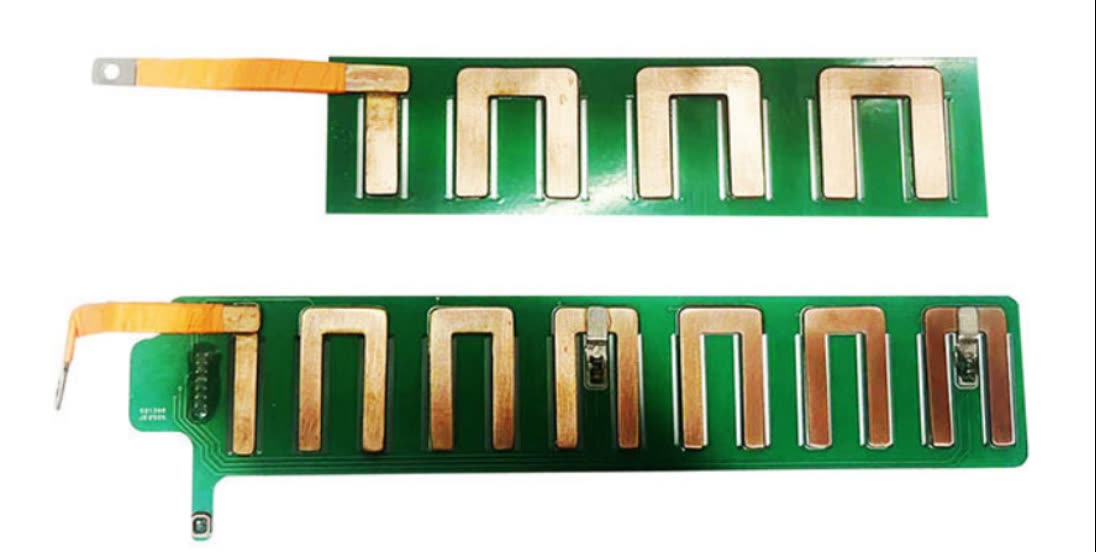
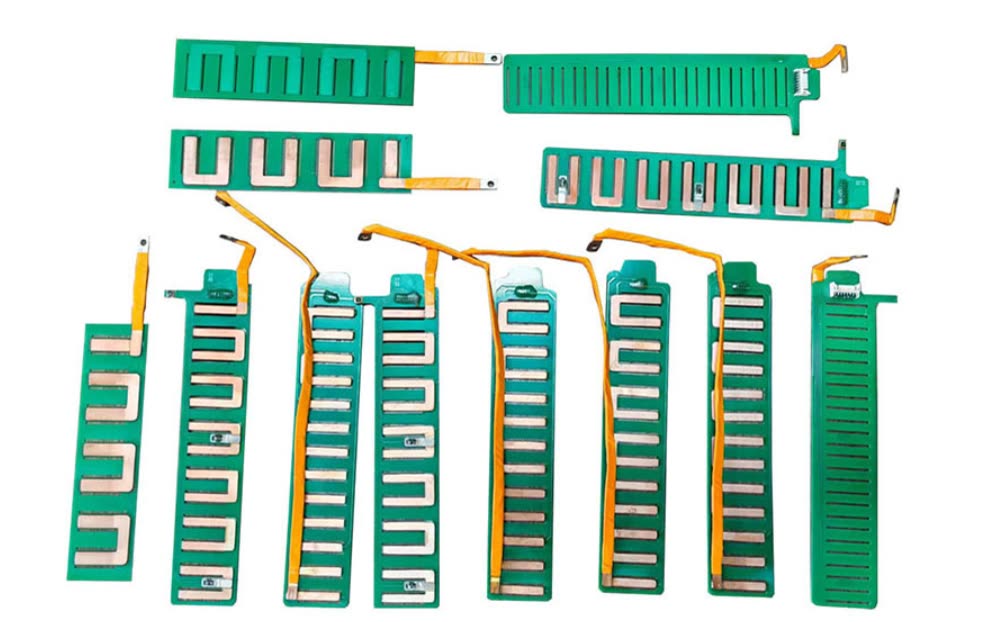
Zhongyan specialises in producing high-performance conductive components for the global new energy industry, including high-voltage electrical copper foil flexible connectors, customized flexible connectors, metal injection moulded parts, composite laminated busbars, CCS busbars, emergency quick connectors, and custom electrical connection solutions. To assist energy storage integrators and automotive engineering teams in optimizing module integration, Zhongyan shares foundational engineering principles for converting custom cell contact system requirements into robust, serial-production battery components.
Step 1: Establish Structural Hierarchy and Circuit Layout
A Cell Contact System (CCS) busbar is significantly more than a basic metal conductor strip. It functions as a complex, multi-layered sub-assembly that consolidates power distribution busbars, signal sampling harnesses or flexible printed circuits (FPC), dielectric insulation layers, and rigid plastic support frameworks. Designing a reliable OEM CCS busbar begins with establishing a strict structural hierarchy dictated by cell terminal pitch, tolerance variations, and precise voltage or temperature sensing locations.
When establishing the circuit layout, design engineers must carefully size the conductive power paths to match both continuous operating currents and peak power demands of the battery pack. High-purity T2 copper or specialty aluminum alloy busbars serve as the principal current collectors across cell poles. Concurrently, fine-trace FPCs or custom signal harnesses run parallel alongside the primary power paths to monitor individual cell voltages and thermal behavior in real time.
Zhongyan collaborates closely with automotive and energy storage tier-1 system integrators during initial design stages to precisely map terminal pitch and signal pin geometries. By mechanically locking conductive copper or aluminum bars into custom injection-molded plastic carrier trays, the entire assembly maintains precise spatial alignment with battery cell poles during automated high-speed laser welding processes. This organized layout helps reduce manual wiring errors during battery module assembly, reduces module overall height, and minimizes stray inductance across high-voltage paths.
Step 2: Maintain Insulation Integrity and Thermal Safety Margins
High-voltage battery modules regularly operate under heavy vibrational stress, ambient temperature swings, and sudden electrical load fluctuations. Maintaining continuous dielectric isolation while preventing thermal runaway propagation are critical safety boundaries in cell contact system design.
The choice of dielectric insulating films—such as specialized PET, PI, or flame-retardant polycarbonate layers—must align with the specific voltage rating, insulation withstand capacity, and operating thermal limits of the battery system. Insulation materials must endure continuous operational environments ranging from minus 40 degrees Celsius up to 125 degrees Celsius, while offering robust breakdown withstand strength typically exceeding 600V to 1000V DC.
Under thermal stress or momentary short-circuit events, localized electrical arcs present a real threat to unshielded signal lines. To avoid dielectric puncture and interlayer breakdown, Zhongyan applies flame-retardant halogen-free insulation coatings, dip-molded protective layers, and laminated insulation films across conductive circuit paths. The molded plastic tray provides physical creepage and clearance margins, effectively separating delicate sampling circuits from high-power distribution lines. This multi-layer insulation architecture prevents electrical breakdown even as battery cells expand or contract under heavy operational load cycles.
Step 3: Ensure Manufacturability and Full Process Traceability
Moving a custom CCS busbar design from digital CAD models into automated high-volume production requires strict adherence to Design for Manufacturability (DFM) rules. Joint durability, material compatibility, and automated positioning accuracy directly govern production yield and field performance over time.
During production setup, engineers must specify optimal contact surface treatments and material pairs. Copper or nickel tabs are frequently specified to ensure clean laser or ultrasonic weldability with battery cell terminals, followed by subsequent electroplating processes. The interface between FPC collector pads and main busbar tabs must achieve strong metallic bonding to minimize contact resistance and eliminate cold weld defects.
Zhongyan maintains strict digital quality controls across every step of manufacturing:
Laser welding and component assembly establish consistent connection geometry and low contact resistance.
Comprehensive final testing confirms electrical insulation integrity prior to final packaging.
As an established CCS busbar solution provider, Zhongyan operates modern manufacturing and quality management systems that deliver full end-to-end traceability from incoming raw materials to final electrical testing. This thorough manufacturing oversight ensures that every finished cell contact assembly meets strict international quality standards.
Reliable OEM Engineering for Next-Generation Battery Packs
Engineered Cell Contact Systems streamline complex internal module wiring into repeatable, highly reliable structural assemblies. Through refined OEM engineering capabilities, advanced tooling, and rigorous testing protocols, Zhongyan helps energy storage suppliers and vehicle manufacturers shorten project development cycles and build reliable battery modules.
By integrating conductive copper foil flexible connectors, laminated busbars, and robust CCS carriers, Zhongyan New Energy Co., Ltd. delivers specialized electrical connection solutions across power distribution, electric vehicles, energy storage equipment, rail transit, wind power, and heavy industrial applications.
To examine custom CCS busbar specifications, manufacturing capabilities, and dedicated engineering services, please visit the official website: https://www.zonyanbusbar.com/
zhongyan
zhongyan
email us here
Legal Disclaimer:
EIN Presswire provides this news content "as is" without warranty of any kind. We do not accept any responsibility or liability for the accuracy, content, images, videos, licenses, completeness, legality, or reliability of the information contained in this article. If you have any complaints or copyright issues related to this article, kindly contact the author above.
